


logo-anim_main
logo-anim_main
logo-anim_main
logo-anim_main

Designing with youth for inclusive futures

The UN Convention on the Rights of the Child establishes that children have the right to express their views freely in all matters affecting them, and that their views shall be given due weight. However, youth still experience public services as inaccessible, fragmented and confusing. This limits youths access to their judicial rights, ultimately increasing societal differences.

Inclusive digital services lead to more than good user experiences, they are fundamental for democratic and inclusive societies. Trine Erga and Mira Krogh have together with 47 Norwegian youth defined «Digital services on youths' premises», a package of design principles, methods and opportunities for more inclusive service systems.

Erga and Krogh show how participatory processes can be used to create solutions that are relevant, understandable and valuable to youth together with those concerned. You will get a greater understanding of inclusive design processes, and concrete frameworks and methods to use in your own practices. The insights, frameworks, tools and processes are applicable to vulnerable and hard to reach user groups.

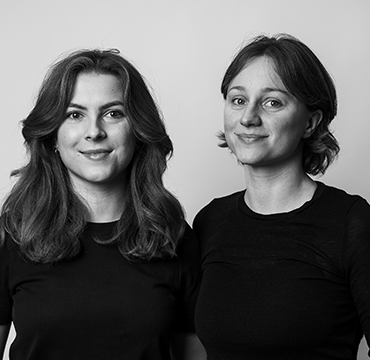
About Mira & Trine

Mira Krogh is a strategic service and interaction designer. She holds a Masters with Honours from the Oslo School of Architecture and Design, and has experience from higher education, the Norwegian Digitalisation Agency, and the energy industry.

Krogh treats interaction and service design as a strategic lens to dissect and address wicked problems. She uses design methodology and technology as tools to enable strategic change within complex systems, building positive societal development.

Krogh and Erga wrote their master's dissertation together.
They are the first people at AHO awarded the "Honors" title.

Trine Erga is a service and interaction designer who uses design as a strategic lens for positive societal development. She holds a Master's with honours from the Oslo School of Architecture and Design.

Operating at the intersection of people, technology, and society, her practice is grounded in participation and inclusion of hard to reach groups. Through insight-driven service development she translates user needs into concrete solutions, viewing design as an instrument for addressing societal challenges and digitization as a tool for more inclusive futures.